
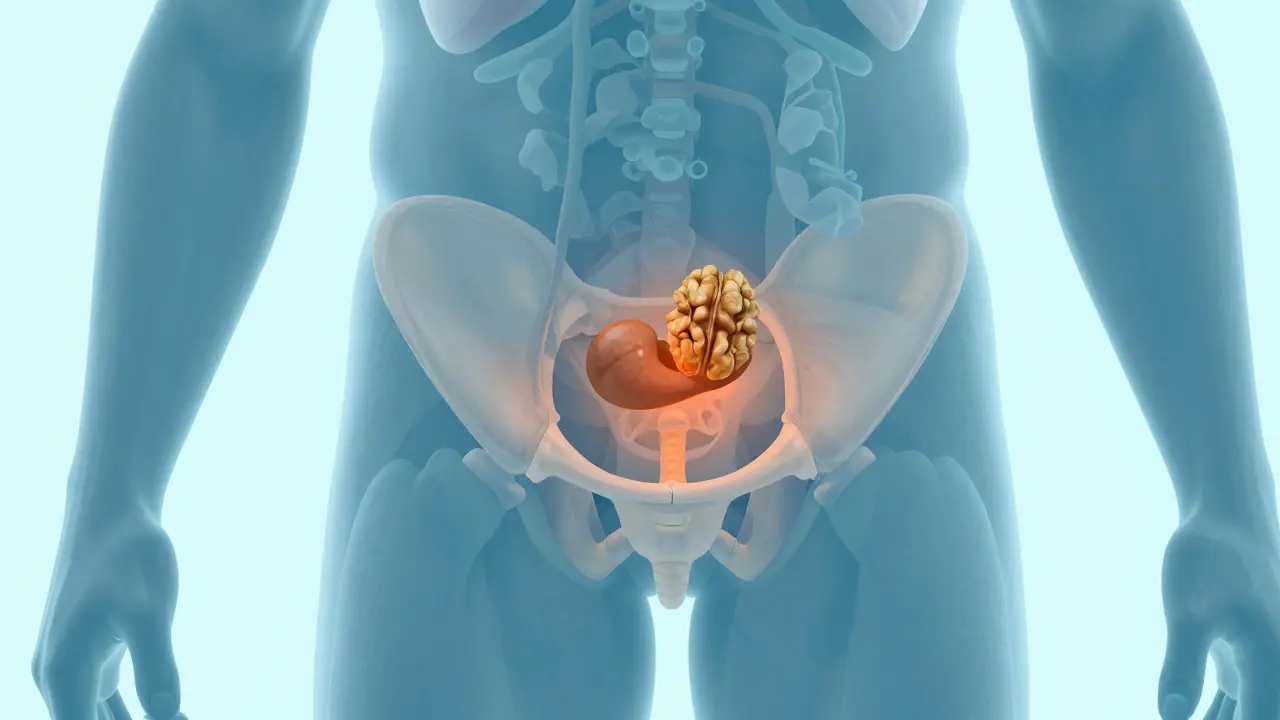
Prostat masajı is a manual therapy technique used to relieve symptoms of prostatitis by draining congested prostatic fluid and improving pelvic floor function. Many men suffer from chronic pain in the pelvic region but hesitate to discuss it. Often, the root cause is not just infection but a blockage or inflammation that antibiotics alone cannot fix. This article explores how this specific manual intervention works, who benefits from it, and what you can expect during the process.
Why Prostatitis Causes Persistent Pain
To understand the solution, we must first look at the problem. Prostatitis is an inflammation of the prostate gland, which sits below the bladder and surrounds the urethra. It is not one single disease but a group of conditions. The most common type, Chronic Pelvic Pain Syndrome (CPPS), affects up to 10-15% of men over 40. Unlike bacterial infections, CPPS often involves no bacteria at all. Instead, it stems from muscle tension, nerve sensitivity, or stagnant fluid within the prostate ducts.
When these ducts are blocked, pressure builds up. Think of it like a clogged drain; water backs up and causes swelling. In the prostate, this backflow irritates surrounding nerves, leading to pain in the perineum, testicles, or lower back. Standard treatments usually focus on killing bacteria or relaxing muscles with medication. However, if the physical congestion remains, the pain persists. This is where manual drainage becomes relevant.
The Mechanism of Manual Drainage
So, how does touching the prostate help? The procedure involves gently stimulating the prostate gland through the rectal wall. The goal is not pleasure, but therapeutic release. By applying gentle, rhythmic pressure, a practitioner helps expel accumulated secretions from the prostatic ducts. This reduces internal pressure and allows fresh blood flow to reach the area, promoting healing.
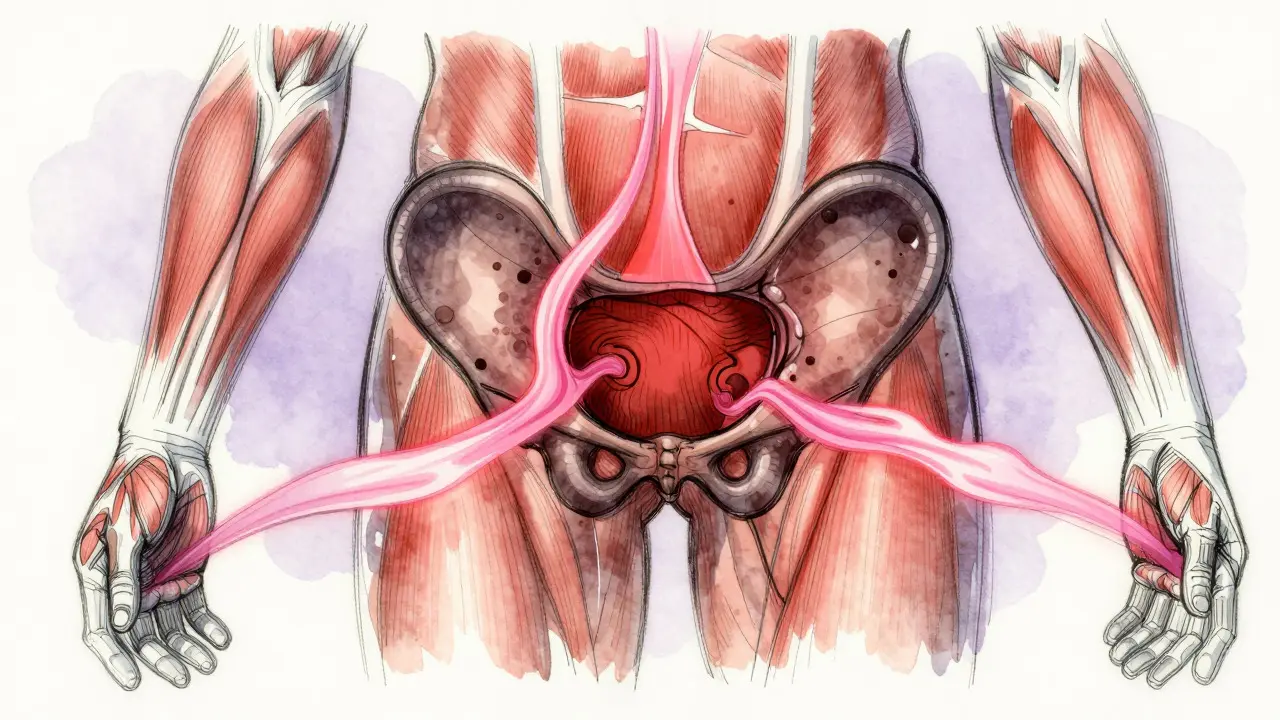
Additionally, the massage addresses the Pelvic Floor Muscles. Men with chronic prostatitis often have hypertonic (tight) pelvic floors. These tight muscles squeeze the prostate, worsening the pain. A skilled therapist combines internal stimulation with external relaxation techniques to break this cycle of tension and spasm. The result is a reduction in referred pain and improved urinary flow.
Who Is a Candidate for This Therapy?
Not every man with prostate issues needs this treatment. It is primarily recommended for non-bacterial prostatitis cases. If you have acute bacterial prostatitis, you need antibiotics first. Using massage during an active acute infection could spread bacteria into the bloodstream, a dangerous condition called sepsis.
Ideal candidates include:
- Men diagnosed with Chronic Pelvic Pain Syndrome (CPPS).
- Individuals with post-prostatectomy pain or stiffness.
- Men experiencing difficulty ejaculating due to pelvic floor dysfunction.
- Patients whose symptoms have not improved after 6-8 weeks of standard medical treatment.
If your doctor has ruled out cancer and acute infection, this therapy is generally considered safe when performed by a professional.
What to Expect During the Session
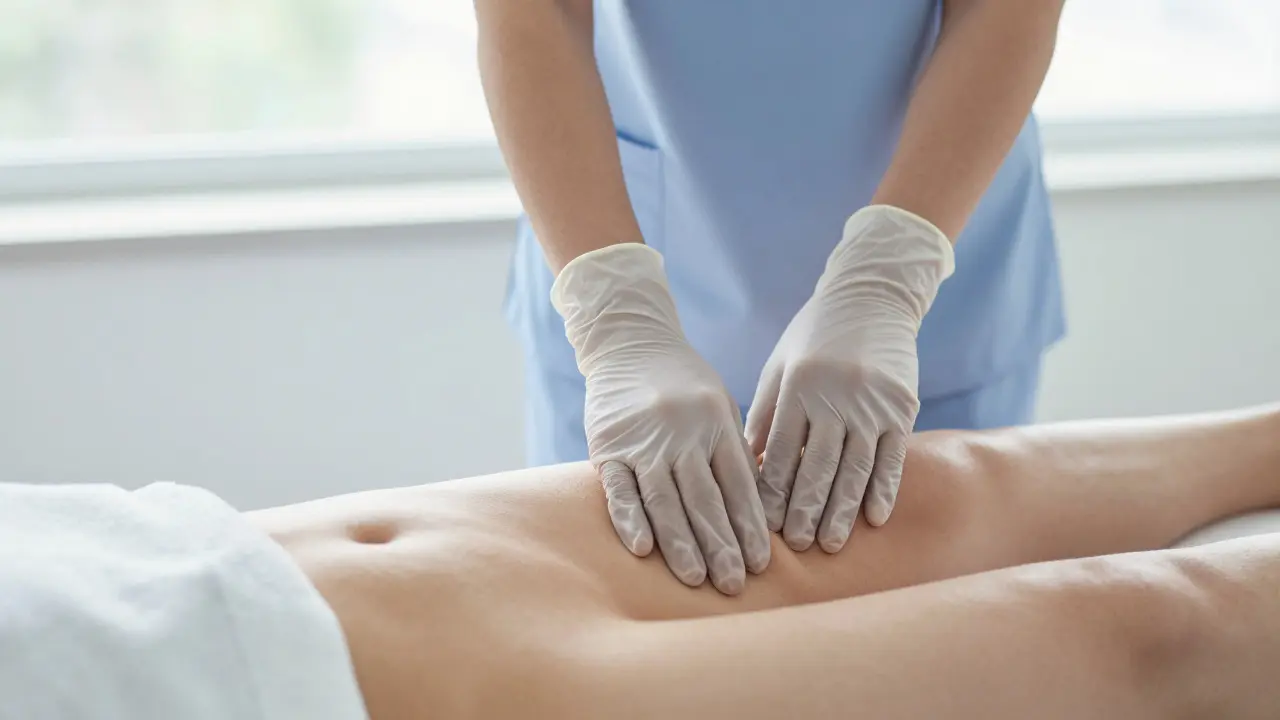
Many men fear the procedure because of misconceptions. In reality, it is clinical and brief. Here is a step-by-step breakdown of a typical session:
- Preparation: You will likely be asked to empty your bladder. The therapist may use a lubricated gloved finger or a specialized probe.
- Positioning: You might lie on your side with knees bent (fetal position) or stand leaning forward. Comfort is key.
- Insertion and Assessment: The therapist inserts a finger about 5-7 cm into the rectum to locate the prostate. They check for tenderness, size, and consistency.
- Massage Technique: Gentle circular motions or sweeping strokes are applied to the anterior surface of the prostate. This lasts only 3-5 minutes.
- Drainage Check: Sometimes, fluid may be expressed. This is normal and indicates successful drainage.
The entire process usually takes less than 15 minutes. Most patients report immediate relief in pelvic pressure afterward, though full symptom resolution may take several sessions.
Comparison of Treatment Approaches
How does this compare to other methods? Let's look at the data.
| Method | Primary Target | Average Duration for Relief | Side Effects |
|---|---|---|---|
| Antibiotics | Bacterial Infection | 4-6 Weeks | Gut disruption, resistance risk |
| Alpha-blockers | Urethral Muscle Tone | 2-4 Weeks | Dizziness, low blood pressure |
| Physical Therapy (External) | Pelvic Floor Tension | 6-12 Sessions | Muscle soreness |
| Prostate Massage | Prostatic Congestion & Nerves | Immediate to 3 Sessions | Mild discomfort, temporary urgency |
Notice that while medications take weeks to show effect, mechanical drainage offers faster symptomatic relief. However, it is rarely a standalone cure. It works best as part of a multimodal approach, combining physical therapy and lifestyle changes.
Safety and Risks
Is it dangerous? When performed by a trained urologist or pelvic health physiotherapist, the risk is minimal. However, complications can arise if done incorrectly. For instance, using too much force can cause mucosal tears or bleeding. Therefore, self-massage is generally discouraged unless explicitly taught by a specialist.
Contraindications include:
- Active hemorrhoids or anal fissures.
- Recent colonoscopy or rectal surgery.
- Unexplained rectal bleeding.
- High fever indicating systemic infection.
Always consult your healthcare provider before starting any new physical therapy regimen. They can determine if your specific anatomy and health history make you a suitable candidate.
Lifestyle Adjustments to Support Recovery
Manual therapy opens the door, but your daily habits keep it open. To maintain the benefits of prostate massage, consider these adjustments:
- Hydration: Drink plenty of water to dilute urine and prevent irritation.
- Diet: Reduce caffeine and alcohol, which can inflame the bladder and prostate.
- Exercise: Engage in regular aerobic activity like walking or swimming to improve circulation.
- Stress Management: High stress increases pelvic muscle tension. Techniques like deep breathing or yoga can help.
Combining these habits with professional care creates a comprehensive strategy for long-term relief.
Frequently Asked Questions
Does prostate massage hurt?
Most men feel mild pressure or a strange sensation rather than sharp pain. If you have significant inflammation, there may be some tenderness initially, but it should subside quickly. Severe pain is a signal to stop and consult a doctor.
How many sessions are needed?
There is no fixed number. Some men feel better after one session, while others require 3-5 sessions spaced a week apart. Your therapist will monitor your progress and adjust the frequency accordingly.
Can I do it myself at home?
It is possible, but risky without proper training. You might miss the correct angle or apply too much pressure. Start with professional guidance to learn the technique safely before attempting it independently.
Will it affect my fertility?
Generally, no. In fact, by reducing inflammation and clearing congestion, it may improve semen quality in some cases. However, avoid ejaculation for 24 hours after a session to allow the tissue to settle.
Is it covered by insurance?
Coverage varies by provider and country. Since it is often classified as physical therapy or urological care, it may be partially covered. Check with your insurer and get a referral from your urologist to maximize reimbursement chances.